How to Choose the Best Metal Furnace Filter?

Time:2026-09-06 Author:Oliver
0%

Choosing the right Metal Furnace Filter affects indoor air quality, airflow, equipment life, and household comfort. The U.S. Environmental Protection Agency reports that indoor pollutant levels can be two to five times higher than outdoor levels. In some buildings, they may be even higher. This makes filtration more than a routine maintenance decision.

A metal furnace filter may offer a washable frame, durable construction, and reduced replacement waste. However, durability does not automatically mean better filtration. Its actual performance depends on mesh design, filter depth, sealing quality, and airflow resistance. ASHRAE Standard 52.2 provides professional methods for evaluating filter performance and reporting MERV ratings. Yet, MERV numbers alone can mislead buyers. A filter with higher resistance may restrict airflow in an older furnace.

Check the furnace opening carefully. A gap around the frame can allow dust to bypass the filter completely. Measure length, width, and depth before purchasing. Then compare the filter’s pressure-drop data with the furnace manufacturer’s requirements. The U.S. Department of Energy also emphasizes regular HVAC maintenance for efficient operation and reliable comfort.

Maintenance matters.

Washable metal filters need thorough cleaning and complete drying. A damp filter can encourage unwanted microbial growth. Inspect the frame for rust, bent edges, or damaged media. The best choice balances filtration, airflow, maintenance effort, and system compatibility. This balance is not always obvious, and manufacturer claims deserve careful verification. Looking beyond price can prevent a small filter mistake from becoming an expensive furnace problem.
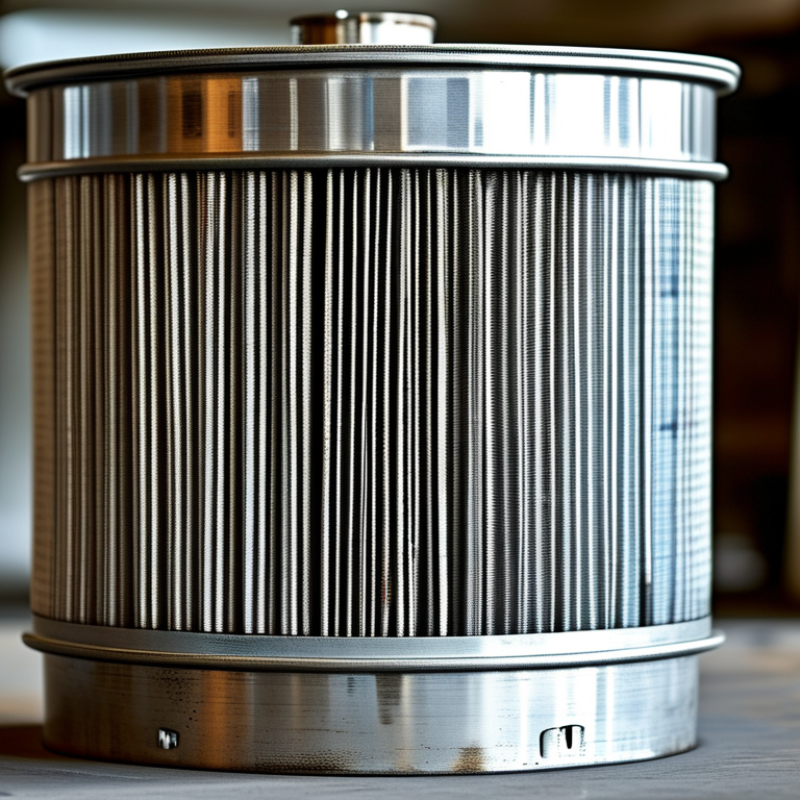
How to Choose the Best Metal Furnace Filter?

What Is a Metal Furnace Filter and How Does It Work?

A metal furnace filter is a reusable air-cleaning panel, usually made from layered aluminum mesh. It sits in the return-air duct before air reaches the furnace. As the blower pulls air through, the mesh catches larger particles, including lint, hair, and visible dust. Some models use charged surfaces to attract smaller particles. Most basic metal filters do not capture fine allergens as effectively as high-efficiency filters.

Its performance depends on more than the metal itself. The filter must fit tightly, without gaps around the frame. Air can bypass a dirty panel through those gaps. A properly fitted filter also protects the blower and heat exchanger from excessive dust buildup. During routine HVAC inspections, technicians usually check airflow, filter condition, and installation direction together. A backward filter can restrict airflow.

Washable filters need regular cleaning with mild detergent and clean water. Let the panel dry completely before reinstalling it. Damp metal can encourage unpleasant odors and may damage nearby components. Check the furnace manual for the correct size and approved filter type. A higher filtration rating is not automatically better if the system cannot handle the resistance. I once treated “reusable” as meaning “maintenance-free.” That was a poor assumption. Dust still builds quickly in homes with pets, renovations, or open windows. Inspect the filter monthly, then adjust the cleaning schedule based on what you actually find.

Which Filter Size and Compatibility Features Should You Check?

Choosing the best metal furnace filter begins with accurate sizing, not appearance. Measure the existing filter’s length, width, and depth. Use actual measurements, because labeled sizes can differ slightly. A filter that bends inside the rack may allow dust to bypass it. A filter that fits too tightly can restrict airflow and strain the furnace.

Compatibility also depends on the furnace cabinet, airflow direction, and filter rating. ASHRAE Standard 52.2 evaluates particle removal by size and supports the use of MERV ratings. However, a higher rating is not automatically better. The U.S. Environmental Protection Agency recommends MERV 13, or the highest compatible rating, for improved particle capture. The U.S. Energy Information Administration’s 2020 Residential Energy Consumption Survey reported that space heating used about 42% of household energy. Poor filter selection may increase the system’s workload. This is easy to underestimate.

Tips: Check the arrow for airflow direction. Confirm the filter rack accepts metal frames. Compare the new filter with the furnace manual. Replace a loaded filter before it looks completely blocked. A pressure-drop test is more reliable than guessing from appearance. Still, household dust levels vary, so replacement intervals need adjustment. Pets, renovation dust, and frequent door opening can change the schedule quickly.

How to Compare Filter Efficiency, Durability, and Airflow

How to Choose the Best Metal Furnace Filter?

A metal furnace filter should balance filtration efficiency, durability, and airflow. A dense mesh may capture more dust, but it can also restrict air movement. Check the filter’s pressure-drop rating when available. Lower resistance usually helps the blower work with less strain. Your furnace manual should guide the acceptable size and airflow range.

For efficiency, consider the particles you need to control. A basic metal mesh catches larger lint and debris, but it will not capture fine allergens effectively. Finer media can improve filtration, although the furnace may need stronger airflow capacity. Watch the filter after two weeks. A gray, clogged surface is useful evidence, not just a visual nuisance. In my experience, homeowners often choose the tightest filter and overlook blower performance. That choice is not always better.

Tips: Measure the opening, not the old filter alone. Hold the filter toward a bright window. Blocked sections need attention. Wash reusable metal filters according to the manufacturer’s instructions, then dry them completely before reinstalling. Wet metal can encourage corrosion. Inspect the frame for bent edges, loose wires, or gaps around the cabinet. A durable filter should remain rigid after repeated cleaning. If rooms feel warmer or airflow becomes weak, ask a qualified HVAC technician to measure static pressure. Small installation errors can cancel out a high-efficiency filter.

How Do Different Metal Filter Types Fit Your Heating System?

How to Choose the Best Metal Furnace Filter?

Metal filter types fit heating systems in different ways. Flat aluminum mesh filters suit older furnaces with generous airflow. Their open design catches larger dust, lint, and pet hair. They usually create less resistance. However, they do not remove fine particles effectively.

Pleated metal filters provide deeper filtration. They can support cleaner indoor air, but their dense media may restrict airflow. Check the furnace manual before choosing a high-efficiency option. A filter that is too restrictive can cause weak airflow, noisy operation, or overheating.

Washable stainless steel filters offer durability and repeated use. They need careful cleaning and complete drying before installation. Damp metal can encourage unwanted moisture problems. Electrostatic metal filters may improve particle capture without disposable media. Their performance depends on correct sizing and regular maintenance.

I used to assume a higher rating was always better. It is not. System pressure matters more than a label alone. A qualified HVAC technician can measure airflow and confirm the suitable resistance level.

Tips: Measure the old filter’s length, width, and thickness. Do not rely on appearance. Confirm the actual size. Inspect the return grille for bent edges or gaps. Install the filter in the airflow direction shown by the arrow. Replace or wash it according to household dust levels, pets, and renovation activity. A forgotten filter can quietly reduce heating performance.

How to Install, Clean, and Maintain a Metal Furnace Filter

How to Choose the Best Metal Furnace Filter?

A metal furnace filter should fit tightly, without bending or leaving side gaps. Measure the frame, not the old filter’s label. Check the airflow arrow before sliding it into place. It must point toward the furnace or blower. A reversed filter can reduce capture efficiency and strain the system.

Cleaning requires more care than many owners expect. Turn off the furnace first. Remove the filter outdoors, then vacuum loose dust from both sides. Rinse it with warm water and mild detergent, moving from the clean side toward the dirty side. Let it dry completely before reinstalling it. Moisture can encourage mold growth inside the cabinet. Never force a wet filter into place.

Inspect the filter every month. That schedule follows ENERGY STAR maintenance guidance, although dusty homes may need more frequent cleaning. The U.S. Environmental Protection Agency reports that indoor pollutant levels can be two to five times higher than outdoor levels, so visible dust deserves attention. For filtration ratings, compare the filter’s MERV value with the furnace manufacturer’s limits. ASHRAE Standard 52.2 provides the recognized testing method for particle removal, but a higher rating is not automatically better. Excessive resistance may reduce airflow and increase operating stress. This is where many installations go wrong. A clean-looking filter can still be overloaded internally, so record cleaning dates and ask a qualified technician to check airflow annually.

FAQS

: How should I measure a metal furnace filter?

: Measure the existing filter’s length, width, and depth. Use the actual frame measurements, not only the printed label. Labels can differ slightly. Write down each dimension before buying.

What happens if the filter fits poorly?

A bent filter can leave gaps around the edges. Dust may bypass the filter and enter the furnace. A filter that fits too tightly can restrict airflow. That extra resistance may strain the system.

Which way should the airflow arrow point?

The arrow should point toward the furnace or blower. Check it before sliding the filter into place. A reversed filter may capture particles less effectively. This mistake is easy to miss.

Is a higher filtration rating always better?

No. A higher rating can create excessive airflow resistance. Compare the rating with the furnace manufacturer’s limits. Choose the highest compatible rating, not simply the highest number. More filtration is not automatically safer.

How often should I inspect a metal filter?

Inspect it every month. Homes with pets, renovations, or heavy dust may need shorter intervals. Frequent door opening can also increase dust buildup. A fixed schedule may not suit every home.

How do I clean the filter safely?

Turn off the furnace before removing the filter. Take it outdoors and vacuum loose dust from both sides. Rinse with warm water and mild detergent. Move water from the cleaner side toward the dirtier side.

How dry should the filter be before reinstalling?

Let the filter dry completely before replacing it. A damp filter can encourage mold inside the cabinet. Never force a wet filter into position. It is tempting to hurry.

How can I tell when the filter needs attention?

Do not rely only on visible blockage. A filter may look clean while holding internal dust. Record cleaning dates and watch for reduced airflow. A pressure-drop test gives better information than appearance alone.

Conclusion

Choosing the best Metal Furnace Filter starts with understanding how it protects your heating system and improves indoor air quality. A metal filter uses a washable or replaceable mesh to capture dust, hair, and larger airborne particles before they reach the furnace. Before purchasing, confirm the filter’s exact dimensions, frame shape, thickness, and compatibility with your furnace or air-return housing. A properly fitted filter prevents air from bypassing the filtration area and supports efficient operation.

When comparing options, consider filtration efficiency, construction quality, airflow resistance, and expected service life. A highly restrictive filter may reduce airflow and increase system strain, while a low-efficiency option may provide limited protection. Different metal filter types, including flat-panel, pleated, and electrostatic designs, may suit different heating systems. Installation should follow the airflow direction marked on the filter. Regular cleaning, thorough drying, inspections for damage, and timely replacement will help maintain performance, energy efficiency, and reliable heating.


Oliver

Oliver

Oliver is a seasoned marketing professional with a wealth of expertise in driving brand awareness and engagement. With a deep understanding of our company's product offerings, he consistently delivers high-quality content that enriches our professional blog. His insights not only shed light on......