2026 Best Purifier Filter Suppliers for Global Buyers?

Time:2026-09-16 Author:Ethan
0%

Choosing the right Purifier Filter supplier in 2026 requires more than comparing prices and catalog photographs. Global buyers must examine material quality, filtration performance, production consistency, and after-sales support. A polished website proves little. Factory evidence matters more.

This guide focuses on suppliers serving international markets, including manufacturers, specialized distributors, and private-label partners. It considers filter media, housing durability, flow-rate stability, replacement cycles, packaging, and traceability. Practical checks include reviewing test reports, requesting samples, and inspecting batch markings. A reliable supplier should explain specifications clearly, not hide behind technical language.

Certifications also require careful attention. Buyers should verify whether documents are current, authentic, and relevant to the destination market. Requirements may differ by application, water source, and country. Independent laboratory testing can reveal weaknesses that sales materials overlook. Small details matter, such as cracked seals, loose fittings, or unclear installation instructions.

No supplier is perfect. That includes highly experienced factories. Production delays, communication gaps, or inconsistent samples can still occur. I have seen promising samples fail during repeated-use testing, which is why a first order should remain controlled. This comparison aims to support practical decisions through evidence, transparent criteria, and realistic risk assessment. It does not treat a low quotation as a complete business advantage. A dependable partnership is built through verified performance, responsive communication, and measurable quality over time.
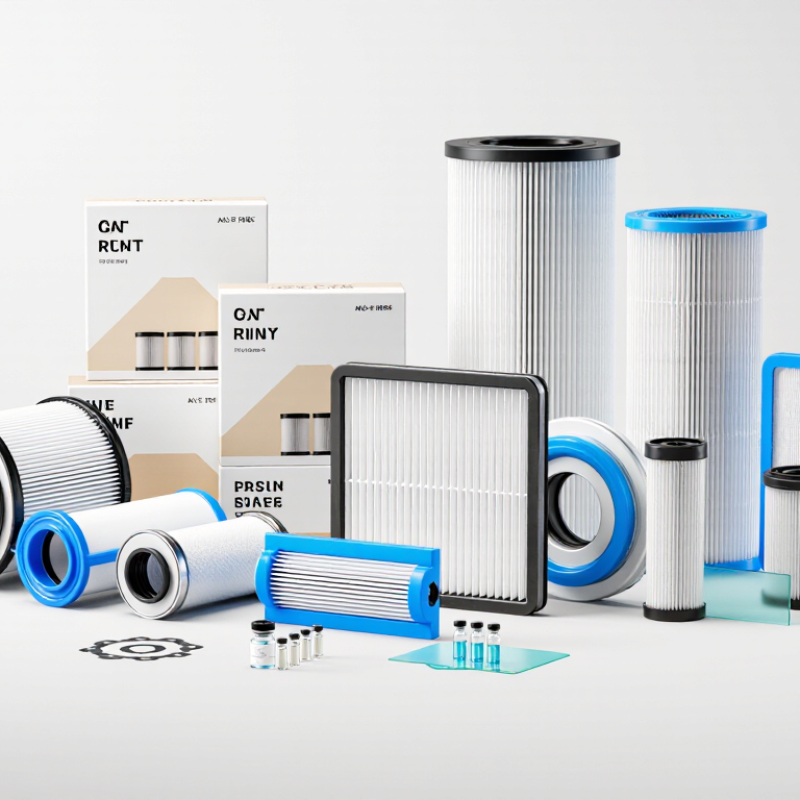
2026 Best Purifier Filter Suppliers for Global Buyers?

What Defines a High-Quality Purifier Filter Supplier in 2026?

2026 Best Purifier Filter Suppliers for Global Buyers?

What Defines a High-Quality Purifier Filter Supplier in 2026?

A high-quality purifier filter supplier proves performance beyond attractive product claims. Their technical sheets should state filtration ratings, pressure-drop data, operating limits, and expected service life. Clear test methods matter. A “99% removal” claim means little without the particle size, test fluid, and testing conditions.

Reliable suppliers maintain batch traceability from raw media to finished cartridges. Ask for production records, inspection reports, and independent laboratory results. Samples should fit the stated housing and seal correctly. During evaluation, check water flow, odor reduction, surface defects, and pressure changes over time. Small details often reveal weak quality control.

Strong suppliers also understand local operating conditions. Hard water, unstable pressure, dust, and high humidity can change filter performance. They should explain maintenance intervals in practical terms, not promises. Certifications and regulatory documents must be current and verifiable. Support should include installation guidance and responsive technical answers.

No supplier is perfect.

Even strong testing has limits. Real household conditions may differ from laboratory results. A careful buyer should compare field feedback with documents and repeat testing when results seem unusually optimistic. That extra step can feel slow, but it protects long-term reliability, user safety, and purchasing decisions.

Key Filter Types and Their Global Applications

Global buyers need to match filter technology with the application, not chase one universal purifier. The WHO and UNICEF Joint Monitoring Programme reported that 2.2 billion people lacked safely managed drinking water in 2022. This gap increases demand for reliable treatment in homes, clinics, factories, and remote communities.

Sediment filters remove sand, rust, and visible particles before finer treatment. Activated carbon reduces chlorine, odors, and some organic compounds. Reverse osmosis can lower dissolved salts, metals, and other contaminants, but it produces wastewater and needs pressure. Ultrafiltration suits many community systems because it removes bacteria and suspended solids without electricity-heavy operation. Ultraviolet treatment targets microorganisms, yet it cannot remove sediment or chemicals. For indoor air, HEPA filters capture fine particles, while carbon media address selected gases and odors. The WHO estimates that combined household and ambient air pollution causes about 6.7 million premature deaths annually.

Real procurement requires test evidence. Buyers should request contaminant-specific performance data, replacement intervals, pressure limits, and laboratory certification under relevant NSF, ANSI, ISO, or regional standards. The U.S. EPA notes that air-cleaner performance depends on both filtration efficiency and airflow, so a dense filter is not automatically better. That is often overlooked. In practice, maintenance access can matter more than impressive specifications. A filter may perform well in a laboratory but fail when cartridges are unavailable, water quality changes seasonally, or users ignore replacement schedules. Supplier reliability remains part of the technology.

How to Evaluate Supplier Quality, Certifications, and Production Capacity

Choosing a purifier filter supplier in 2026 requires more than comparing prices. In supplier assessments, I have found that consistent quality starts with clear specifications. Ask for media type, filtration rating, pressure limits, dimensions, and expected service life. Request production samples from different batches. One attractive sample proves very little.

Certifications should match the product and destination market. Check the issuing body, certificate number, test scope, expiry date, and listed factory address. Do not accept copied logos or unexplained laboratory reports. Independent testing can confirm material safety, contaminant reduction, and flow performance. A supplier with documented quality controls should also provide batch codes and traceability records. Mistakes happen. The supplier’s response matters.

Production capacity needs practical verification. Review monthly output, equipment lists, staffing levels, and current order commitments. Ask how the factory handles urgent replacements, rejected materials, and equipment failure. A reported capacity of 100,000 units may hide limited shifts or heavy subcontracting. Request a factory audit, video evidence, and realistic lead-time records. Confirm packaging details, inspection checkpoints, and shipping documents before signing.

Tips: Compare three recent batches, not one. Speak with the quality manager, not only sales staff. Check whether certificates cover your exact model. Leave room for seasonal delays. A low quote can become expensive when performance varies.

2026 Best Purifier Filter Suppliers for Global Buyers

Recommended buyer scorecard for evaluating supplier quality, certifications, and production capacity. The percentages represent evaluation weightings, not company or brand performance data.

Quality management should be verified through systems such as ISO 9001. Product safety evidence may include applicable NSF/ANSI standards, independent laboratory reports, material declarations, batch traceability, documented production capacity, and compliance with destination-market requirements.

Pricing, Minimum Orders, and International Supply Chain Considerations

2026 Best Purifier Filter Suppliers for Global Buyers?

Pricing, Minimum Orders, and International Supply Chain Considerations

For global buyers, supplier selection starts with total landed cost, not unit price. A quotation may exclude tooling, export packing, testing, freight, insurance, and import duties. Ask for a cost sheet with every charge listed separately. This makes comparisons more reliable. In purchasing reviews, small price gaps often disappear after delivery fees and inspection costs.

Minimum order quantities Minimum order quantities vary by filter media, housing design, and production schedule. Stock models may accept 100 to 500 units. Customized dimensions can require several thousand pieces. Confirm whether the MOQ applies per model, size, or shipment. Request a pilot order before committing to large volumes. It can reveal seal problems, labeling errors, or unexpected pressure loss. A low MOQ sounds attractive, but it may carry a higher unit cost.

International supply chains need practical checks. Verify production capacity, batch traceability, replacement-part availability, and document control. Ask how suppliers handle raw material shortages and port delays. Lead times should include manufacturing, inspection, booking, and customs clearance. Payment terms also deserve attention; staged payments can reduce exposure. Some suppliers provide confident estimates that later shift. Keep written tolerances and delivery milestones. I would also budget extra time, because perfect forecasts are rare.

A Practical Method for Selecting the Best Supplier for Your Market

2026 Best Purifier Filter Suppliers for Global Buyers?

A Practical Method for Selecting the Best Supplier for Your Market

Choosing a purifier filter supplier starts with your market, not a glossy catalog. Define water conditions, flow rates, replacement cycles, and buyer expectations. A household cartridge may fail in a busy restaurant. Request material specifications, production records, and batch-level inspection reports. Ask how the supplier handles inconsistent raw materials. The answer reveals operational maturity.

Build a scorecard covering filtration performance, capacity, lead time, minimum order quantity, and service response. Verify technical claims through independent laboratory results or controlled sample testing. Test samples with local water, temperature, pressure, and installation habits. A filter that performs well in a factory can disappoint in a rural home. Check packaging strength by simulating warehouse stacking and long-distance transit. Relevant certifications should be current and verifiable. Do not judge price alone. Calculate the cost per usable replacement, including freight, defects, training, and warranty handling.

Speak with technical staff before signing a purchase agreement. They should explain testing limits without hiding uncertainty. Review response times, spare-part access, and complaint records. A factory visit can confirm cleanliness, traceability, and process discipline. If travel is impossible, request a live video audit and dated evidence. My own evaluation mistake would be trusting polished documents too quickly. No scorecard is perfect. Leave room for doubt. Record every assumption, especially those based on small samples or promising sales conversations.

FAQS

How should buyers choose between different filter technologies?

Match the filter to the contaminant and application. Sediment filters catch sand, rust, and visible particles. Activated carbon reduces chlorine, odors, and some organic compounds. Reverse osmosis lowers dissolved salts and metals but creates wastewater. Ultrafiltration removes bacteria and suspended solids with modest energy needs. Ultraviolet treatment targets microorganisms, not chemicals or sediment.

Can one purifier filter solve every water treatment problem?

Usually, no. Different contaminants need different treatment methods. A combined system may work better, but it costs more. Selection should follow test results, not marketing claims. I might still underestimate seasonal water changes.

What should buyers request before approving a filter?

Request contaminant-specific performance data, replacement intervals, pressure limits, and laboratory test reports. Check the exact model and intended use. Ask for several production samples. One attractive sample proves very little.

How can buyers verify certification documents?

Check the issuing organization, certificate number, test scope, expiry date, and factory address. Confirm that the document covers the exact product. Do not rely on copied logos. Independent testing can reveal material safety and flow problems.

Why does maintenance access matter so much?

A filter may perform well in testing but fail in daily use. Replacement cartridges might be unavailable locally. Users may also miss replacement schedules. Easy access, clear labels, and spare parts can matter more than impressive specifications.

What affects indoor air filter performance?

Fine-particle filters capture small airborne particles. Carbon media address selected gases and odors. Performance depends on filtration efficiency and airflow. A dense filter is not automatically better. Too much resistance can reduce useful airflow.

How should buyers evaluate a supplier’s production capacity?

Review monthly output, equipment, staffing, and current orders. Ask about rejected materials and equipment failures. Request a factory audit or recorded production evidence. A reported capacity may hide subcontracting or limited shifts.

How can international buyers calculate the real purchase cost?

Use total landed cost, not unit price alone. Include tooling, export packing, testing, freight, insurance, duties, and inspection. Request a separate cost sheet. Small price differences can disappear after delivery charges.

What should buyers know about minimum order quantities?

Stock models may accept smaller orders. Customized sizes can require several thousand units. Confirm whether the minimum applies per model, size, or shipment. A pilot order can expose seal defects, labeling errors, or pressure loss. Small orders may carry higher unit costs.

How can buyers reduce supply-chain risks?

Confirm batch traceability, replacement-part availability, document control, and realistic lead times. Include manufacturing, inspection, booking, and customs clearance. Use written delivery milestones and staged payments. Keep extra time available. Perfect forecasts are rare.

Conclusion

Choosing the right Purifier Filter supplier in 2026 requires more than comparing prices. A high-quality supplier should demonstrate consistent filtration performance, reliable materials, stable production processes, transparent quality control, and responsive technical support. Different filter types serve different applications, including household water treatment, industrial processing, air purification, food and beverage production, and commercial equipment. Buyers should evaluate whether a supplier can provide suitable specifications, testing data, certifications recognized in the target market, and sufficient production capacity for both regular and urgent orders.

International buyers should also review minimum order quantities, pricing structure, packaging, lead times, shipping arrangements, and after-sales service. A practical selection method is to first define application requirements, then compare qualified suppliers using measurable criteria such as product quality, compliance, capacity, delivery reliability, communication, and total landed cost. Samples and small trial orders can help verify performance before establishing a long-term partnership. This structured approach supports informed purchasing decisions and reduces supply risks across different markets.


Ethan

Ethan

Ethan is a seasoned marketing professional with a deep expertise in our company's innovative product line. With a passion for sharing knowledge and insights, he takes the lead in regularly updating our corporate blog, where he explores industry trends, product features, and effective marketing......